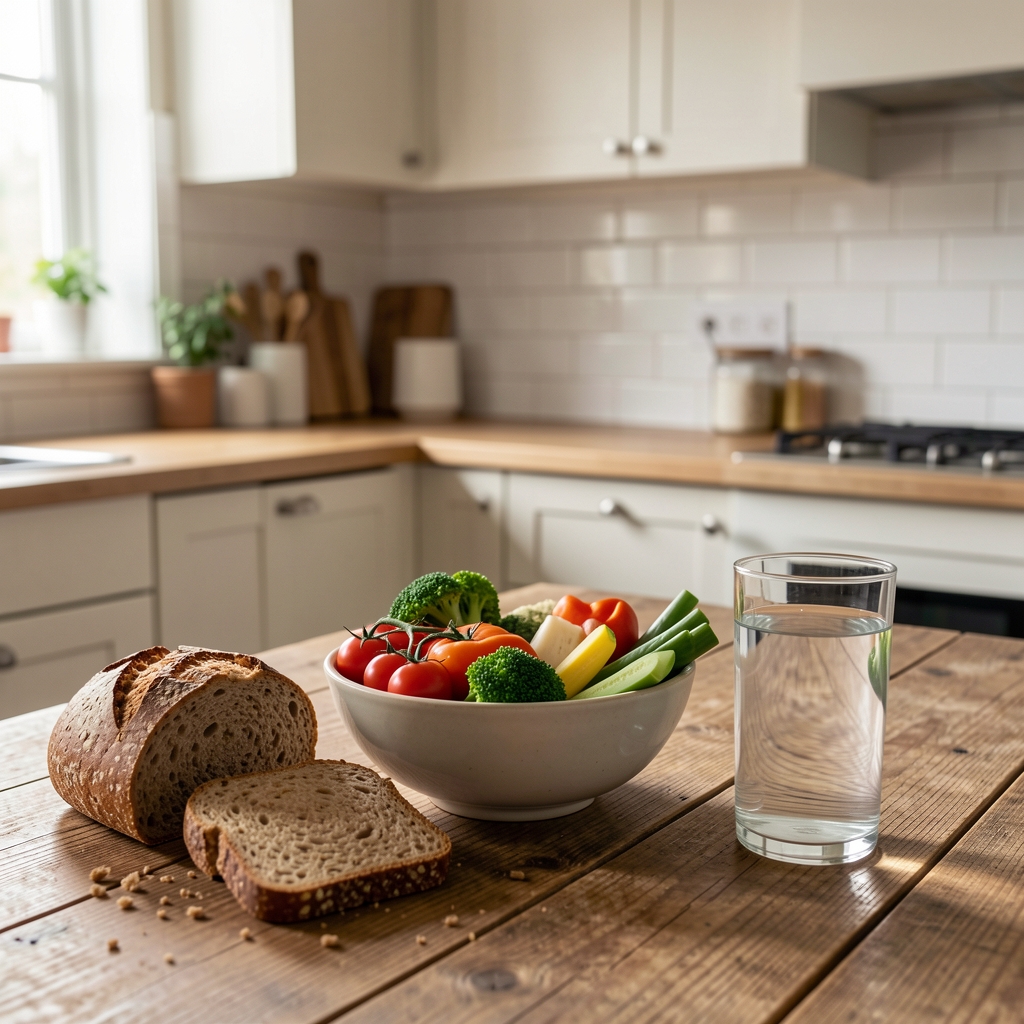
Prostate health
Explore how meals, fluids, alcohol and routine can sit alongside conversations with a GP.
Read the overviewClear, carefully sourced reading about food, routines and health conditions, written for people in the UK who want context rather than quick promises.
Explore the guides“Food is not a verdict. It is one part of a wider conversation about wellbeing, treatment and daily life.”
Health information can feel fragmented. These three starting points help you find relevant background without turning one food or habit into a complete explanation.
Explore how meals, fluids, alcohol and routine can sit alongside conversations with a GP.
Read the overview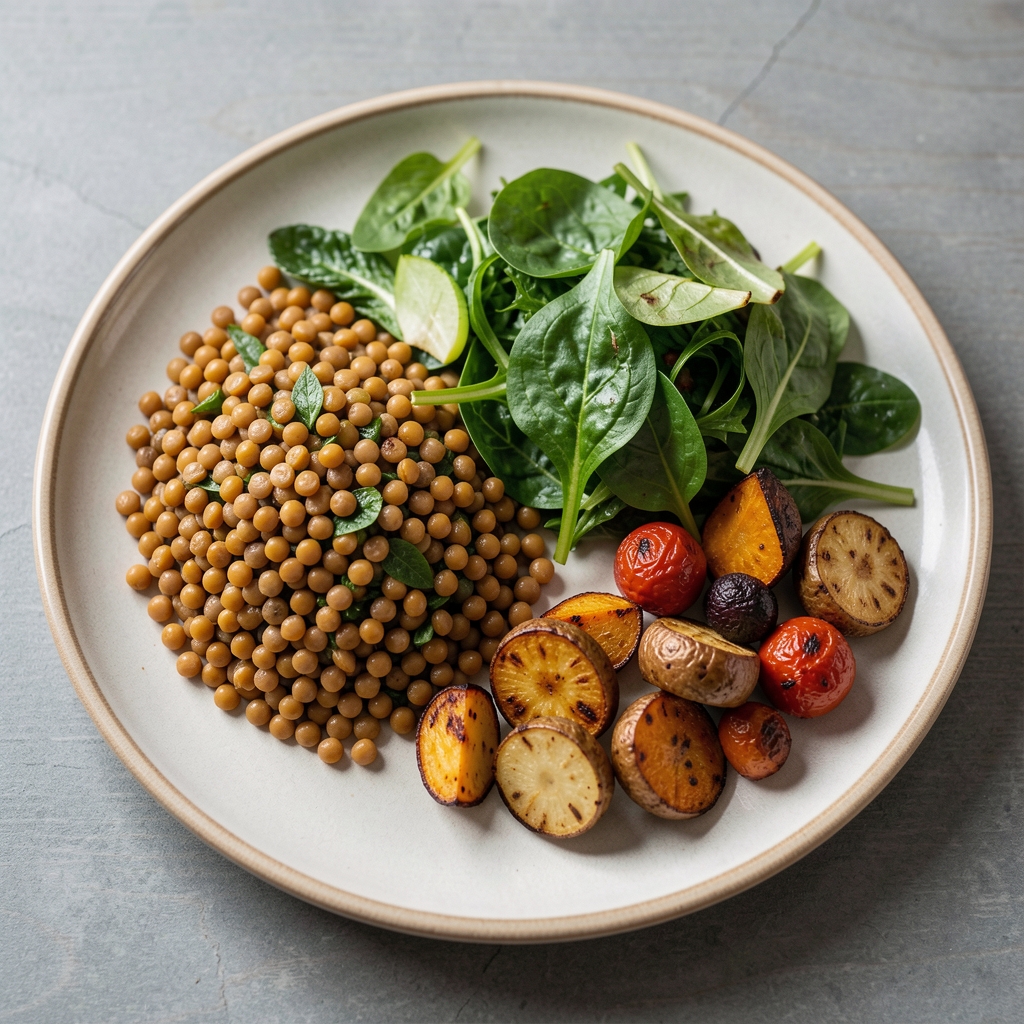
Read practical context on patterns, carbohydrates, labels and the value of personal advice.
Open the topic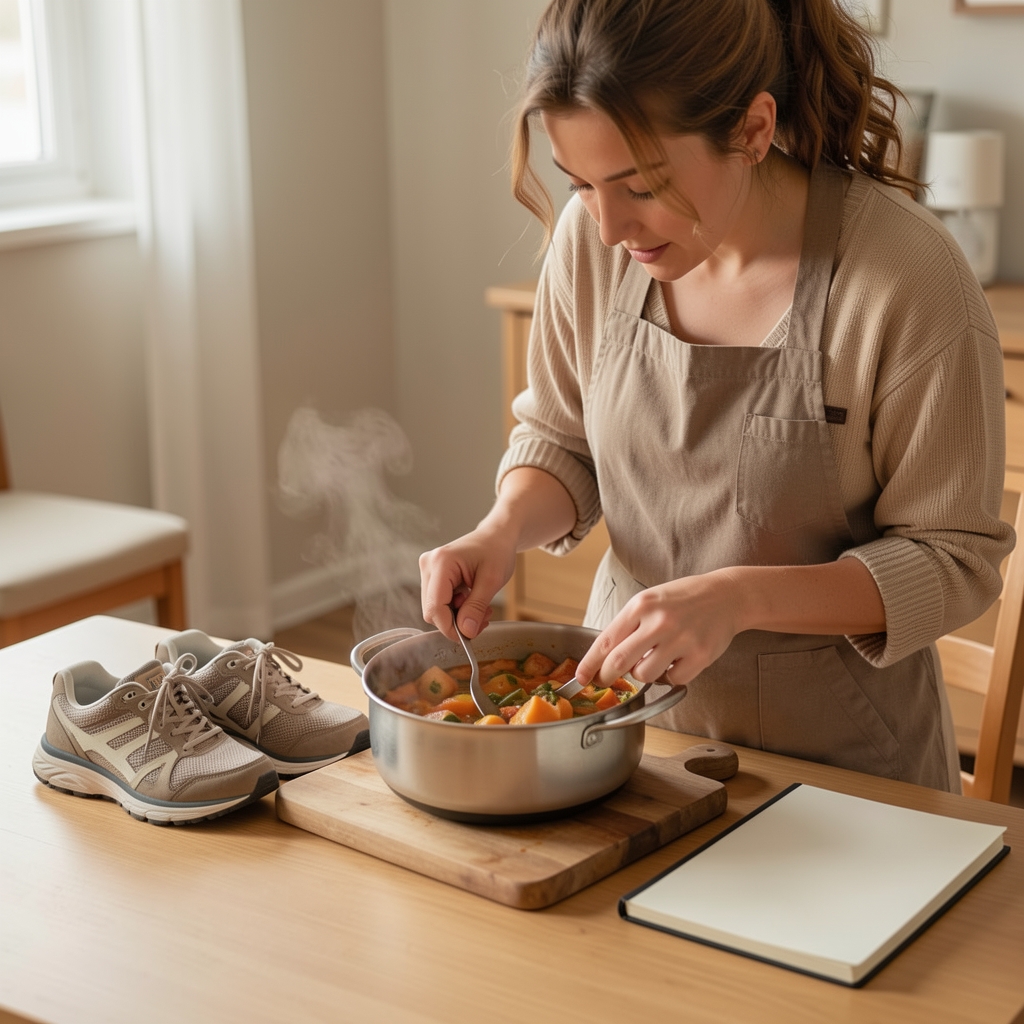
Consider appetite, movement, sleep and environment as connected parts of everyday life.
Explore the guide
Evolve brings together plain-language explanations, questions to take to a professional and practical ways to read health information. Articles distinguish general background from individual care.
Our editorial approach is deliberately measured: we explain uncertainty, avoid dramatic claims and point readers towards established UK services when a personal concern needs attention.
Read our editorial policyDifferent questions call for different kinds of information. This overview is a reading aid, not a diagnostic tool.
| Starting point | Useful background | Possible next step |
|---|---|---|
| Symptoms or a new concern | What is known, what varies and what remains uncertain | Contact a GP, pharmacist or relevant NHS service |
| A change in routine | Meal timing, hydration, movement and sleep patterns | Record observations and discuss practical options |
| A treatment or medicine | Instructions, side effects and food-related questions | Check the patient information leaflet or ask a pharmacist |
Identify whether the piece is explaining general information, describing research or offering a practical planning idea.
Look for dates, sources, limitations and wording that separates population information from personal medical advice.
Use the information to prepare a question, track a routine or find an appropriate UK service.
Age, medication, culture, budget and existing conditions can all change what is practical. A general article cannot account for every detail, so personal concerns should be discussed with a qualified professional.
Read the information disclaimer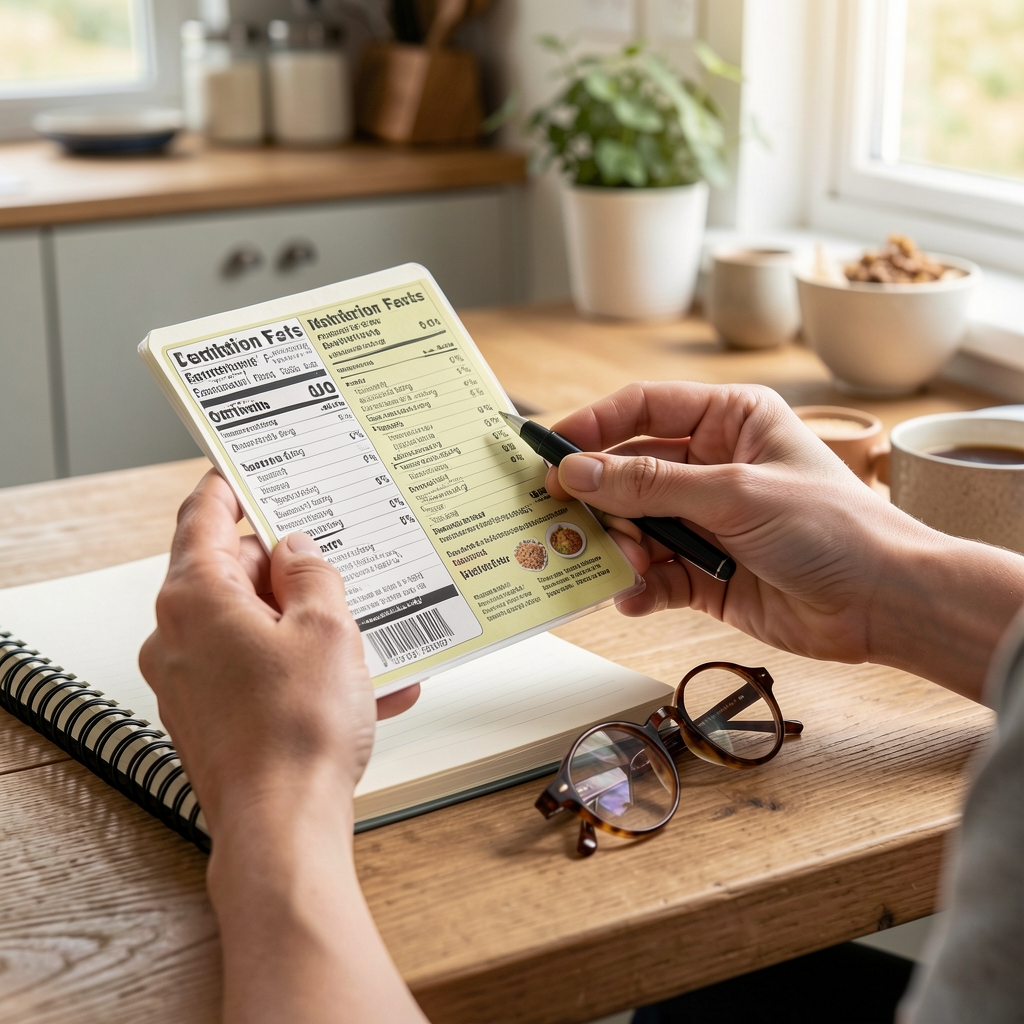
A calm framework for checking context, dates, sources and the difference between association and certainty.
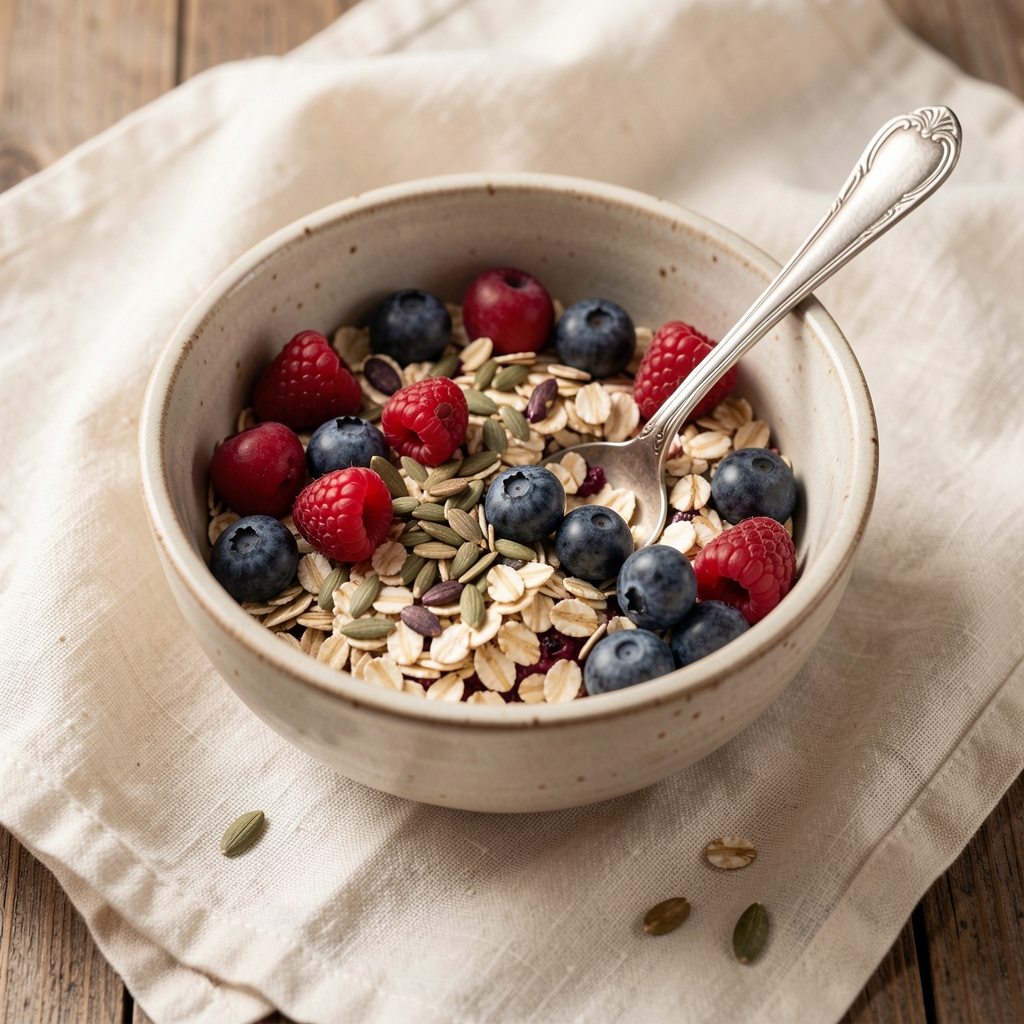
Why a varied pattern matters more than a single ingredient when thinking about everyday eating.

A reflective look at how energy, schedule and mood can shape the choices available to us.
“A label is a starting point for a question, not a judgement about a person.”
“A routine is easier to understand when you look at the whole week, not one isolated meal.”
“Good health information makes its sources and its limits visible.”
Browse the library, prepare for a healthcare conversation or contact the Evolve team about our editorial work.
Contact Evolve